"This world of ours most avoid becoming a community of dreadful fear and hate, and be, instead, a proud confederation of mutual trust and respect."-Dwight D. Eisenhower
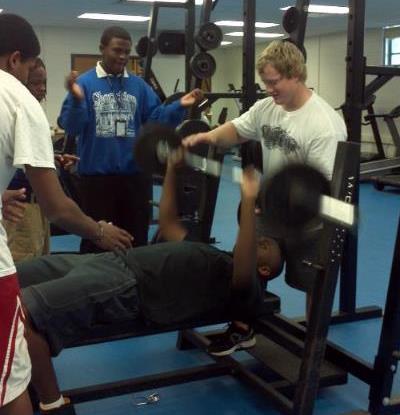
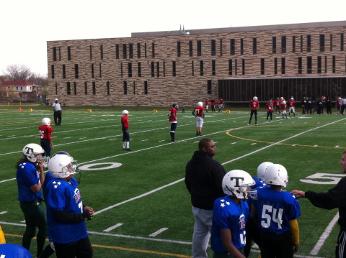
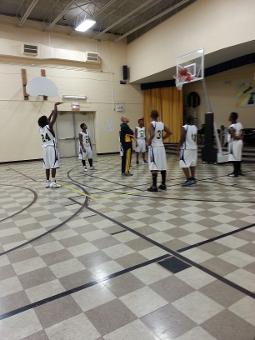
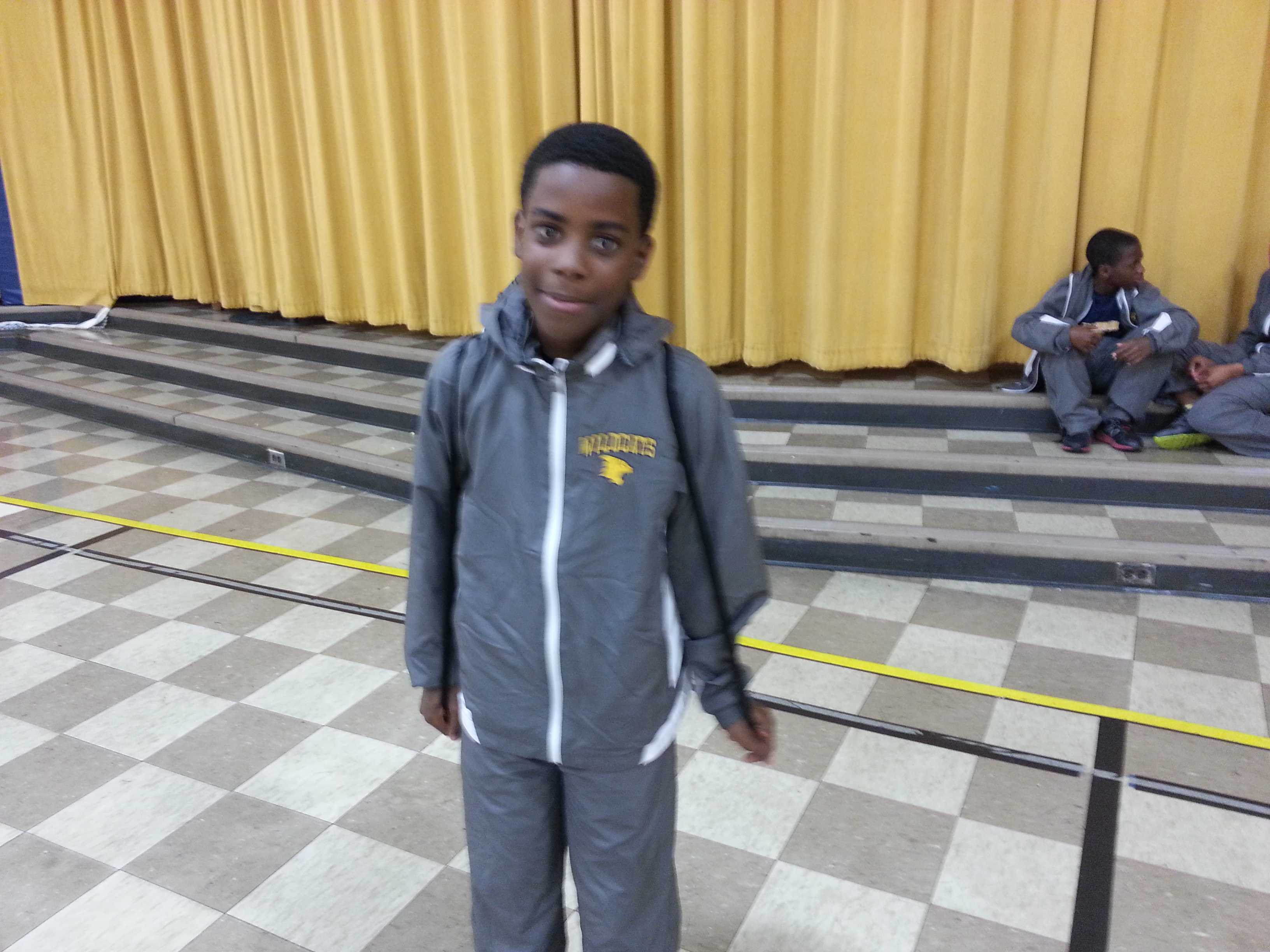
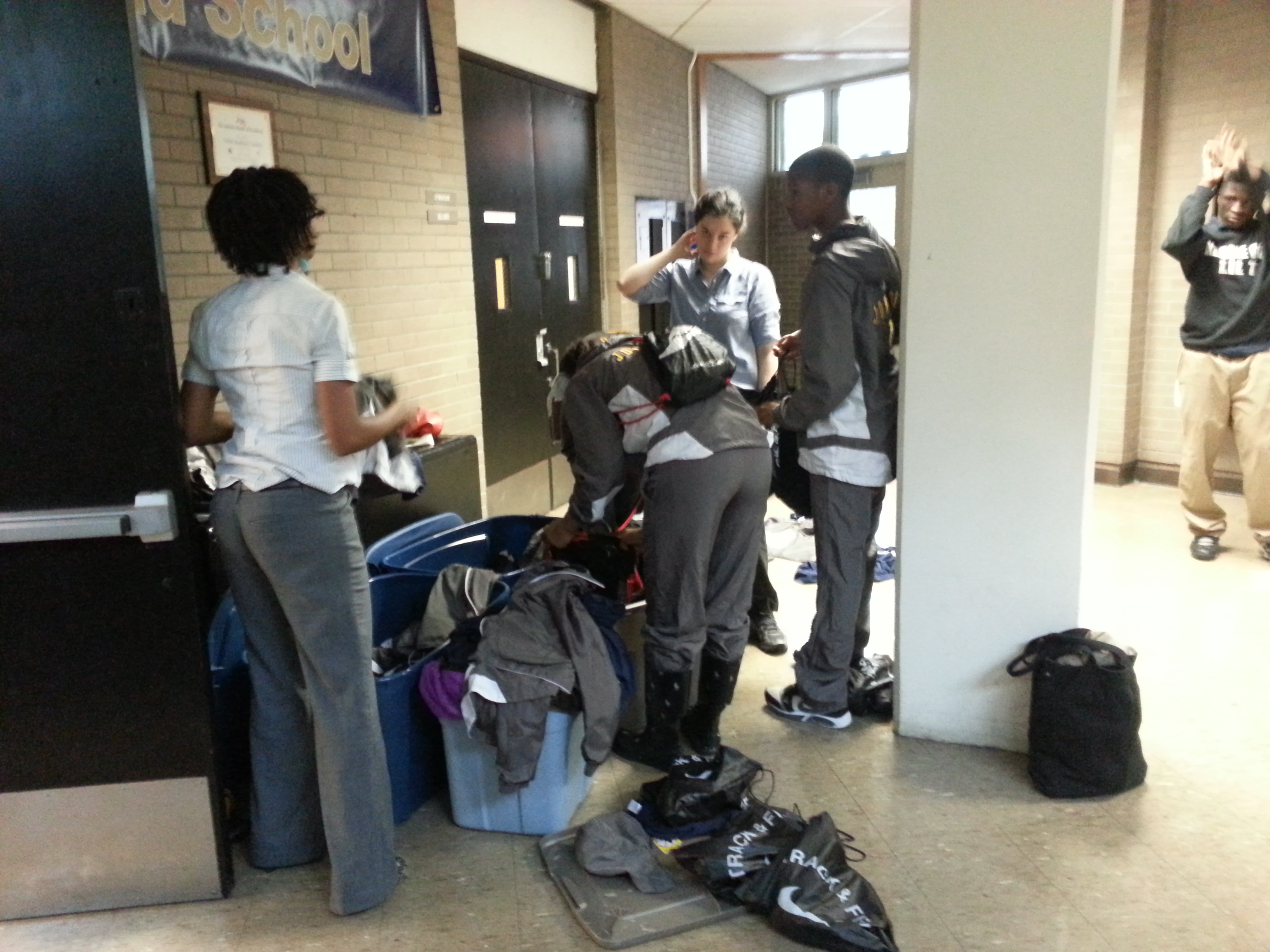
During my residency year at Johnson elementary, I had the unique opportunity to volunteer my time as one of the assistant football coaches for the Johnson Wildcats. As the assistant football coach I attended two practices a week as well as many games. This opportunity gave me the chance to connect with students I was teaching in a setting outside of school.
Identity and Policy Critique Selection:How will you seek to continuously engage in larger conversation about the shape of education and reform? What will guide your thinking?As a teacher of record, I will continue to advocate for the supports my students need in order to succeed in school. This is one of the most basic problems facing urban education today. For example, at my training site I saw overcrowded classrooms, special education teachers and case-workers stretched too thin and a ridiculously small amount time allotted for specials. To me, the clearest picture of students in the inner city being denied the same rights as students in middle to upper class neighborhoods can be found in the cutting of specials programs. The middle school in my home town was home to roughly 250 students with three PE teachers to serve them. Marquette elementary on 67th and Sacramento is home to over 1,200 students with only two PE teachers. Unfortunately, specials program are usually among the first things to be cut when a fiscal crisis emerges and, no, deficiencies in these programs are not as urgent as deficiencies in math or reading but this does not make specials programs unimportant. I admit that I am probably biased towards specials because I am a PE teacher, but I believe that the cutting of specials programs in certain schools is sending a message that certain students are not worth the same as others. Every child deserves the opportunity to be creative and find self –expression through the arts. This is a key factor in educating the whole child and I believe it is a key factor in the education debt that Gloria Landson-Billings discusses in her article, From the Achievement Gap to the Education Debt. In this article Ladson-Billings explains the education debt as the foregoing of resources that could have and should have been invested in low income children. The deficit that is created leads to a number of social problems that require on-going public investment (pg. 5). She goes on to state that that “We must address the education debt because it has implications for the kinds of lives we can live and the kind of education the society can expect for most of its children (pg. 9).” If we are giving students in low-income setting the least, what are we to expect from them in the future? Equal opportunity means eliminating this achievement gap. As I collaborate with my fellow teachers at my future school I will do what I know best by advocating for the resources needed to run a successful, rich, and engaging physical education and athletic programs. As the assistant coach I also had the opportunity to complete a fieldwork project for my NLU course, FND 511. This fieldwork was centered on researching whether or not participating in after school athletics truly helped to improve a students' academic achievement. This written fieldwork report can be found HERE *Please check out a quick Glogster presentation I created to present my field work findings HERE*
|
||||||||||||
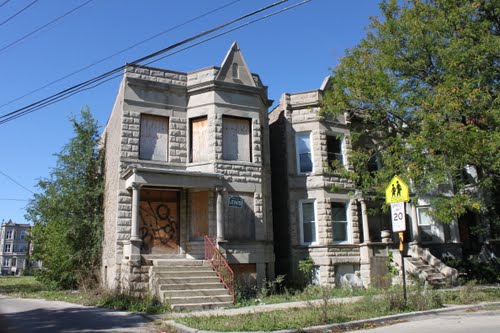
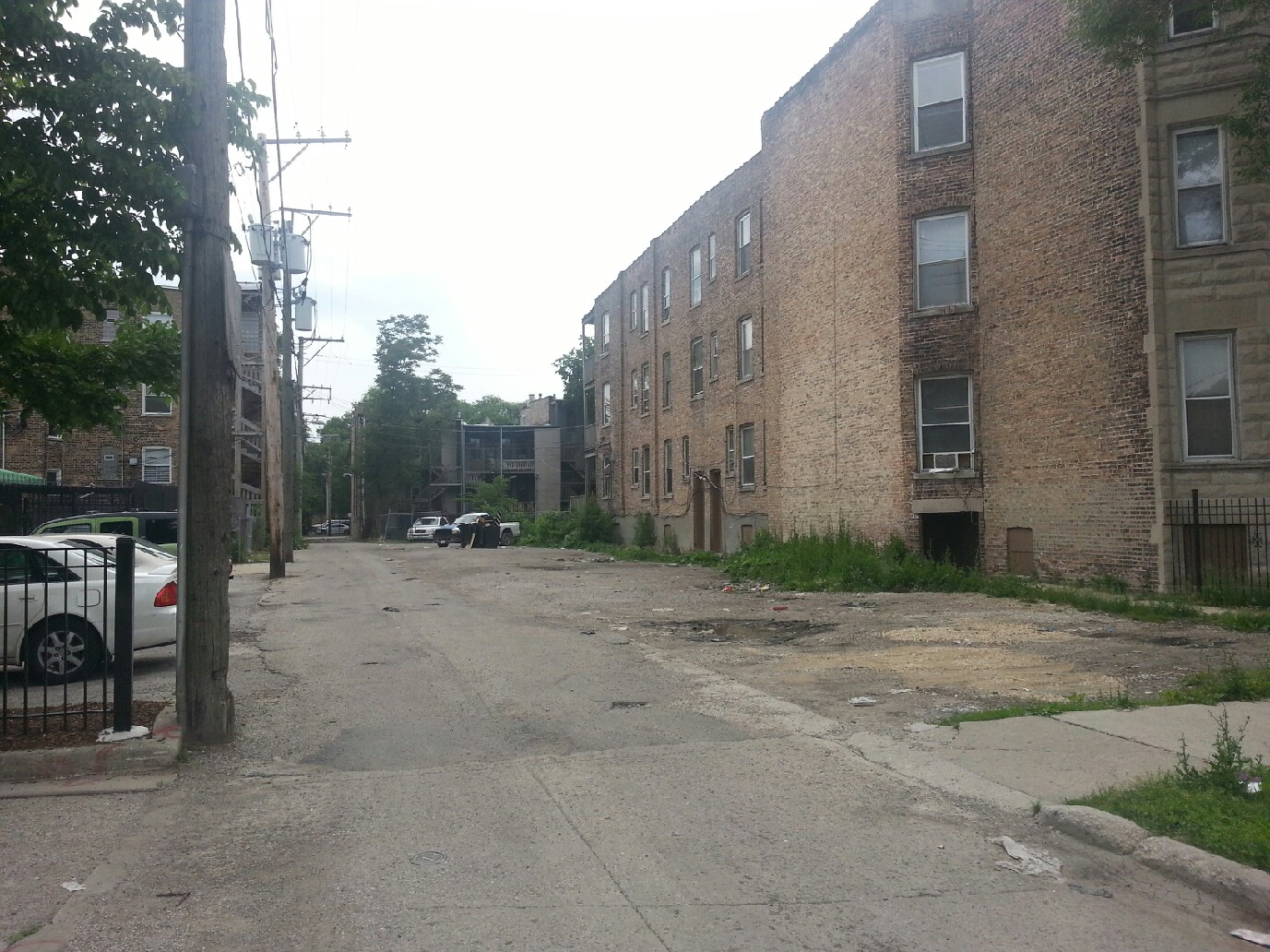
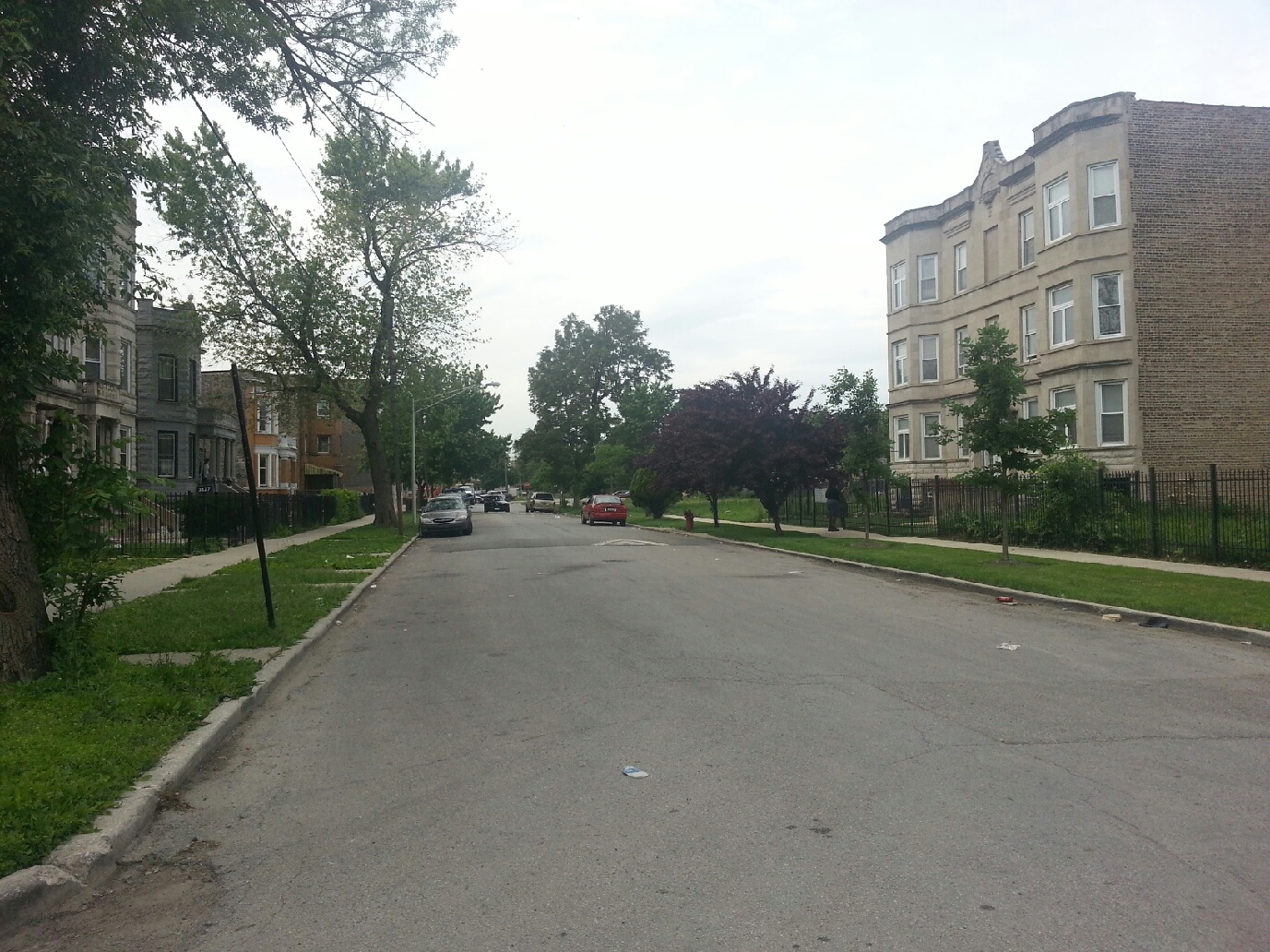
Final Community walk prezi presentation completed by the resident class at Johnson Elementary school Below is my meager contribution to my original community walk assignment
|
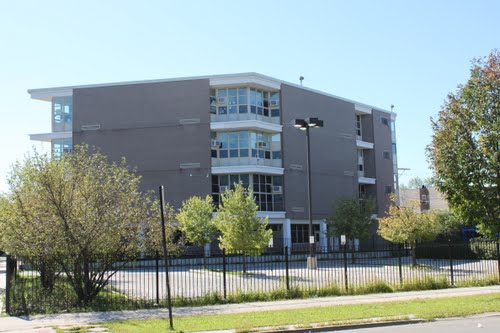
To the left you will find two very different community walk presentations. The short presentation on the bottom featuring Douglas park, the nearest public park to Johnson School of Excellence, really reflects my then narrow understanding of the community I worked it. All of my information was found on general websites with questionable reliability (i.e Wikipedia) rather than putting in my own research through my work. Though the top and final community walk presentation was a collaborative effort, I believe that it shows a much more well-rounded, personal, and reliable source for information on the inner workings of Johnson and the North Lawndale community. I feel that the juxtaposition of the two projects really helps to illustrate my own growth in understanding the community I worked in. |
|||||||||||